




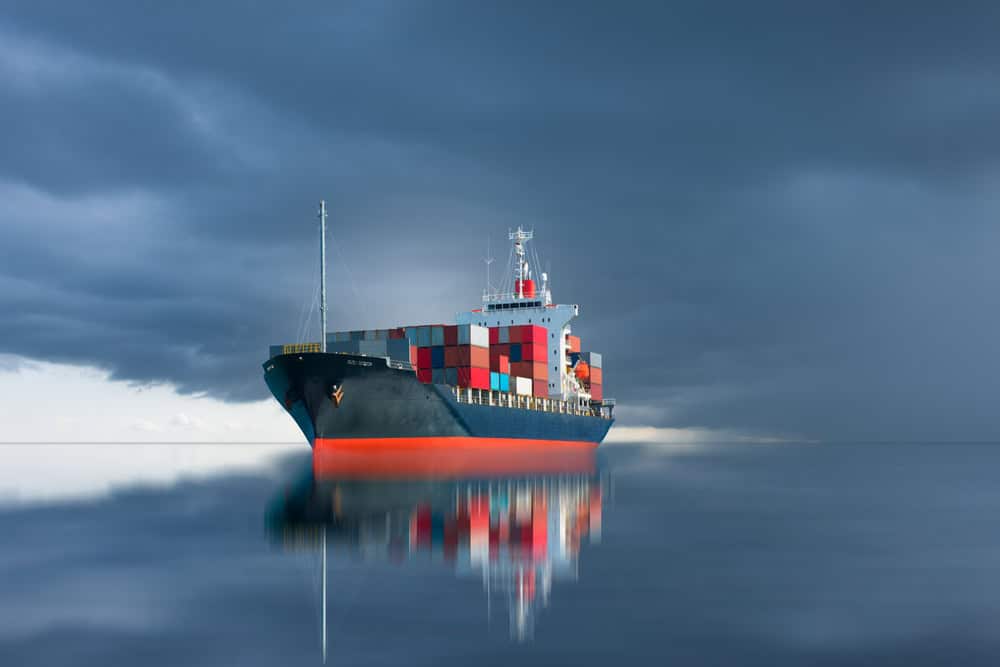
From a supply chain management standpoint, adverse weather conditions extend far beyond maritime concern, as they represent a broad, system-wide risk. Ocean freight serves as a backbone of international commerce, and when severe weather interferes with vessel movements or port activities, the disruption rapidly spreads across sourcing, manufacturing, inventory control, and distribution operations.
How climate has changed as a factor in shipping over the years
In recent years, weather volatility has shifted from being an occasional operational challenge to a recurring planning variable. Severe storms, cyclones, and prolonged heavy rainfall increasingly affect vessel schedules and port productivity. When a ship slows down to navigate rough seas or diverts to avoid a storm system, transit times extend. That delay may appear minor in isolation, but in tightly synchronized supply chains operating on lean inventory models, even minor disruptions can trigger stockouts, expedited freight costs, and strained supplier relationships.
Ports represent critical nodes in this equation. Many major gateways are located in coastal areas exposed to sea-level rise and storm surges. Flooded terminals, crane shutdowns due to high winds, or damaged access roads can halt cargo movement entirely. For supply chain managers, this translates into congestion, demurrage charges, container imbalances, and increased lead time variability. This impact extends beyond immediate physical damage.
Weather-related port closures disrupt vessel rotations and container repositioning strategies. Inland transportation (rail and trucking) schedules are thrown off balance. Warehouses may face sudden surges of late-arriving cargo followed by temporary shortages. Planning accuracy declines and forecast reliability weakens. In an interconnected supply network, resilience must therefore be embedded across multiple tiers, not just at the port.
The importance of port resilience with a changing climate
Improving port resilience is an operational necessity, not a theoretical objective. Infrastructure upgrades such as elevated electrical systems, reinforced quay walls, and enhanced drainage reduce physical vulnerability. Digital capabilities are also equally important: real-time visibility platforms, predictive weather analytics, and dynamic scheduling systems enable earlier decision-making. For supply chain professionals, early information is often more valuable than perfect information.
Strategically, diversification plays a key role. Multi-port routing strategies, regional distribution centers, and intermodal flexibility “particularly strong rail and inland waterway connections” provide alternative pathways when primary gateways are compromised. Safety stock policies may also need recalibration to reflect higher climate risk exposure, even if this challenges traditional cost-minimization approaches.
Evolving risk management from climate shocks
Climate change is reshaping risk management frameworks within marine logistics. As extreme weather becomes more frequent and severe, resilience must be integrated into sourcing decisions, carrier selection, network design, and capital investment planning. From a supply chain standpoint, the objective is not to eliminate disruption which is unrealistic but to absorb shocks without losing continuity.
Looking ahead
In today’s environment, competitive advantage increasingly depends on how well organizations anticipate and adapt to maritime climate risks. The resilience of marine transportation is no longer solely a maritime concern, but rather a supply chain imperative.