




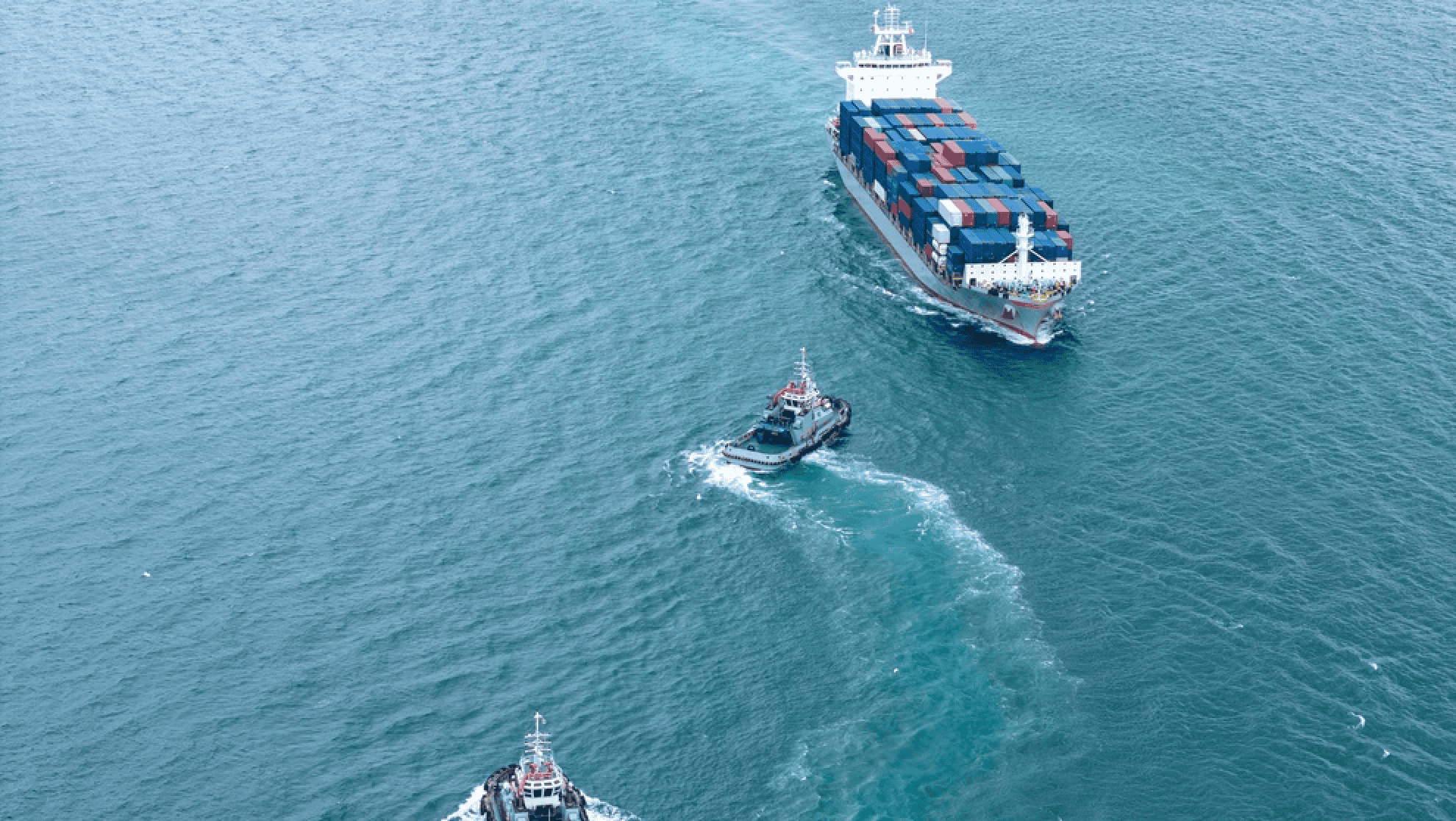
A few years ago, ship security meant razor wire, extra lookouts and armed guards. Today, some merchant ships are using nets, tires and water-filled containers to protect themselves from drones. That sounds strange, but it shows how much the threat has changed.
Merchant ships have always been in a difficult position during war. They are important for trade, easy to spot, and often very valuable. At the same time, they are still civilian ships with civilian crews.
The latest ways vessels are protecting themselves from war and attacks
In the Black Sea, some vessels have recently been seen with unusual protection around the bridge and other sensitive areas. Nets have been added around the superstructure, tires have been placed along parts of the hull, and some ships have even used water-filled containers as extra protection. To be fair, some of these ideas look a little desperate. But I think that is exactly the point. The shipping industry is trying to deal with a type of attack that merchant ships were never really built for.
During the Somali piracy era, the problem was easier to understand. Pirates had to come close to the ship, climb on board and physically take control. Crews could use speed, razor wire, water cannons, citadels, and armed guards to stop them. Drones are different because they do not need to come alongside or board the ship. The drone can simply approach from the air and hit a target directly.
Merchant ships will have to adapt to new safety needs, too
Merchant ships are also easy targets in many ways. They are large, relatively slow, and usually follow known routes. Most of their safety systems are designed for fire, bad weather, machinery failure or collision, not for weapons.
Some simple protection may still help. A net could stop or trigger a small drone before it reaches the ship, while water-filled barriers may reduce some of the blast. Against larger military drones, though, these measures probably have clear limits.
More safety risks is more expensive for ships, too
The money side is just as important. A tanker or containership can be worth more than 100 million dollars while the drone attacking may cost only a small part of that. The attacker does not even need to sink the vessel. Damage to the bridge, engine room or cargo area may already lead to repairs, insurance claims, delays, and salvage costs.
The threat alone also creates problems. Insurance becomes more expensive, ships change routes, more fuel is used, and transit times become longer. This is why I see drones as more than just a security issue. They can also become a supply chain weapon.
If this becomes a normal risk instead of a rare one, ship designs may also change. We may start seeing better protected bridges, stronger backup systems and more equipment for detecting drones.
For many years, maritime security was mainly about one thing: stopping people from getting onto the ship. Now the question is different. What do you do when the attacker does not need to come aboard at all? I do not think the shipping industry has a clear answer yet.