




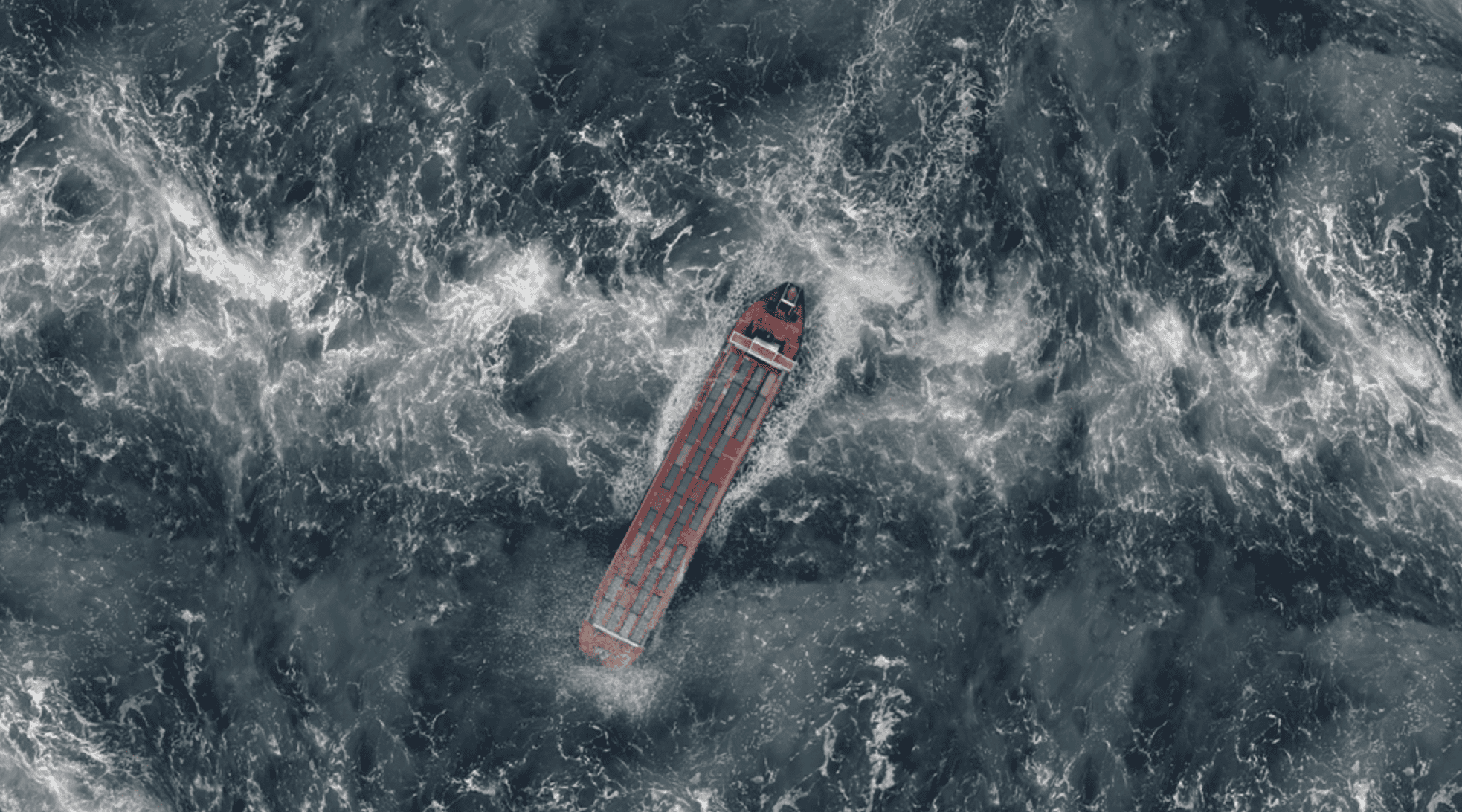
Extreme weather events are affecting different parts of the world, creating new challenges for transportation networks and global trade. Heavy rainfall, flooding, hurricanes, and drought conditions are disrupting daily life and putting additional pressure on supply chains that are already dealing with economic and geopolitical uncertainty.
The recent developments across Türkiye, Vietnam, the United States, Mexico, and Brazil show how different weather conditions can create similar problems for the logistics industry.
While some disruptions are temporary, their effects can continue long after weather conditions improve.
Heavy Rainfall and Flooding Are Disrupting Transportation
On October 14th, Istanbul experienced severe rainfall that flooded roads, underpasses, homes, and businesses. Transportation was disrupted across the city, and authorities advised residents to avoid unnecessary travel. Schools were also closed for the following day.
Istanbul is one of Türkiye’s most important commercial and logistics centers, connecting international shipping, manufacturing, warehousing, and inland transportation.
When a major city experiences flooding, the effects can extend beyond local traffic. Trucks may have difficulty reaching warehouses, delivery schedules may be interrupted, and cargo movements between industrial areas and transportation hubs may face delays.
Similar conditions have recently affected Vietnam.
Heavy rainfall caused flooding in central Vietnam, particularly around Hue and Da Nang. Several roads were submerged, while landslides blocked transportation routes in mountainous areas.
Vietnam has become an important manufacturing and sourcing location for international companies, including U.S. importers. Disruptions to road transportation can make it more difficult for factories to move finished products to ports, even when production facilities remain operational.
These events show how local transportation problems can potentially create delays further along international supply chains.
Hurricanes Are Creating Additional Challenges for Ports and Energy Supply
While parts of Asia and Europe have been dealing with flooding, hurricanes have affected transportation activities in North America.
Hurricane Isaias disrupted operations along the U.S. Gulf Coast in October. As the storm approached, the ports of Pensacola and Panama City suspended operations, while offshore energy companies temporarily shut down production and evacuated workers.
Much of the affected offshore production began recovering after the storm passed. However, the situation demonstrated how quickly severe weather can interrupt essential activities.
The Gulf Coast is particularly important because it supports a large share of U.S. energy production, refining, petrochemical manufacturing, and international trade.
A disruption in this region can affect more than maritime transportation. Refineries, pipelines, trucking operations, warehouses, and industrial facilities are all connected to the same regional infrastructure.
Mexico’s Pacific coast has also experienced severe weather.
Hurricane Simon brought heavy rainfall, flooding, and dangerous sea conditions to several coastal areas. Authorities introduced maritime restrictions and temporary port closures, while airport operations were also affected.
For international shipping, these restrictions can require vessel schedule changes and additional coordination between carriers, terminals, and inland transportation providers.
When several transportation facilities in a region are affected at the same time, delays may continue after the weather improves as operators work to clear the backlog.
Drought Can Be Just as Disruptive as Flooding
Not all extreme weather risks involve excessive rainfall. In Brazil, low water levels in the Amazon River system are creating concerns about navigation and cargo transportation during the dry season.
The Amazon River is an important transportation route for industries and communities in northern Brazil, particularly around Manaus.
Maersk has warned customers that seasonal low water levels could lead to navigation restrictions, reduced vessel capacity, and additional transportation costs. The carrier has also announced a low-water surcharge framework for affected shipments, subject to the applicable conditions.
This illustrates a different challenge for the shipping industry.
While flooding can close roads and interrupt port operations, drought can reduce the amount of cargo vessels are able to carry or make certain waterways difficult to navigate.
For companies depending on river transportation, these restrictions can require changes to shipment planning, routing, and delivery schedules.
The problem is not limited to Brazil. Low water levels have also affected major transportation routes in other parts of the world in previous years, demonstrating how vulnerable inland waterways can be to changing weather conditions.
Could El Niño Increase the Pressure?
Another development worth watching is the evolution of El Niño, which influences weather patterns across different regions of the world.
El Niño can be associated with heavier rainfall in some locations, drought in others, and changes in tropical storm activity. However, it is important to recognize that individual floods, hurricanes, or droughts cannot automatically be attributed to El Niño. Local weather systems and other climate factors also play important roles.
For the logistics industry, the concern is not necessarily one specific climate pattern, but the possibility of different weather-related disruptions affecting several important trade regions within the same period.
If multiple major transportation regions experience disruptions at the same time, shippers may have fewer alternative routes and less flexibility to recover delayed cargo.
Extreme Weather Is Becoming an Important Supply Chain Consideration
Recent developments are another reminder that global supply chains depend on much more than vessels, containers, and port capacity.
Roads, rivers, industrial facilities, energy networks, and warehouses all play important roles in keeping cargo moving. A storm does not need to directly hit a major container port to affect international trade. Disruptions to the infrastructure surrounding that port can also interfere with transportation.
As global trade networks become increasingly connected, logistics providers and cargo owners need to consider weather-related risks across the entire transportation process. Alternative routing options, reliable communication, and contingency planning can help companies respond more effectively when disruptions occur.
The main challenge is no longer simply preparing for individual weather events but understanding how disruptions in different regions may affect the same supply chain.
Extreme weather does not need to bring global trade to a complete stop to make transportation more expensive, less predictable, and more difficult to manage.
As extreme weather continues to affect global trade, being prepared for disruptions is becoming more important than ever.