




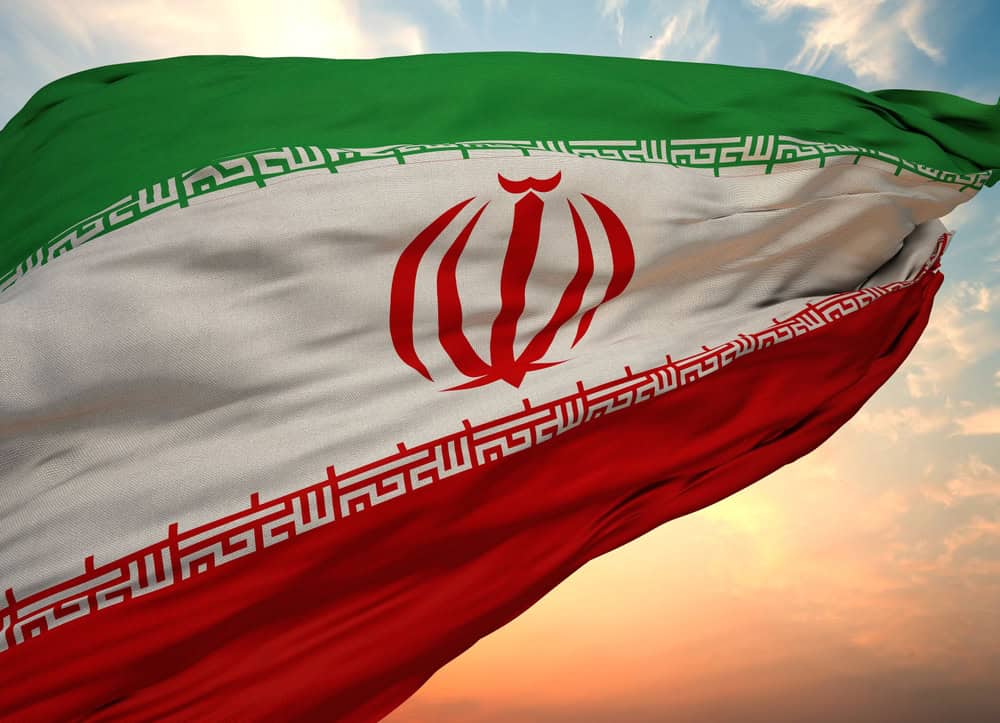
The recent escalation between Iran and Israel, amplified by U.S. involvement, has ignited a full-blown regional conflict. The simultaneous airstrikes on February 28th marked the beginning of a crisis that is reverberating far beyond military lines, directly impacting global trade and energy flows.
From the JCPOA to Open Hostilities
This conflict didn’t emerge overnight. In 2015, Iran and the P5+1 countries, which are the U.S., U.K., France, China, Russia, and Germany, signed the Joint Comprehensive Plan of Action (JCPOA). The deal aimed to ensure Iran’s nuclear program remained peaceful by limiting uranium enrichment and allowing strict international monitoring, while gradually lifting some economic sanctions.
Everything changed in 2018 when the U.S. withdrew from the agreement, citing Iran’s ballistic missile program and support for regional proxy groups. After the U.S. exit, Iran accelerated its nuclear program and increased the activity of militias across Iraq, Syria, Lebanon, and Yemen. Over the following years, tensions steadily rose, culminating in disputes over maritime and airspace access in the Strait of Hormuz by late 2025. By February 2026, the situation erupted into open conflict.
Key Trade Routes Under Threat
Since the conflict began, Iran has launched missile and drone strikes against U.S. and Israeli bases, and an oil tanker near the Strait of Hormuz has been targeted. While the Strait of Hormuz and the Suez Canal remain officially open, skyrocketing insurance costs and security risks have forced shipping companies to reconsider these routes.
Major carriers have acted quickly:
- Maersk suspended all Hormuz transits.
- Hapag-Lloyd temporarily halted passages and imposed war risk surcharges.
- CMA CGM and MSC have rerouted vessels away from the region.
Unfortunately, alternatives are limited. The Bab el-Mandeb Strait and the Red Sea are also affected, leaving only longer southern routes around Africa’s Cape of Good Hope. These detours increase transit times and shipping costs, creating ripple effects throughout global supply chains.
Global Implications
The disruption in trade routes is driving up freight rates, which in turn affects energy prices, raw materials, and consumer goods. What started as a regional military conflict is now a global economic concern.
Shipping companies, insurers, and governments must navigate a region where previously reliable trade arteries are no longer safe. Until tensions ease, this war will continue to reshape global trade patterns and energy security.
The main takeaway
The Middle East conflict is no longer just a regional issue. Its effects on trade, energy, and supply chains are global. The decisions made by carriers, insurers, and governments in the coming weeks will determine how much disruption the world economy experiences.