




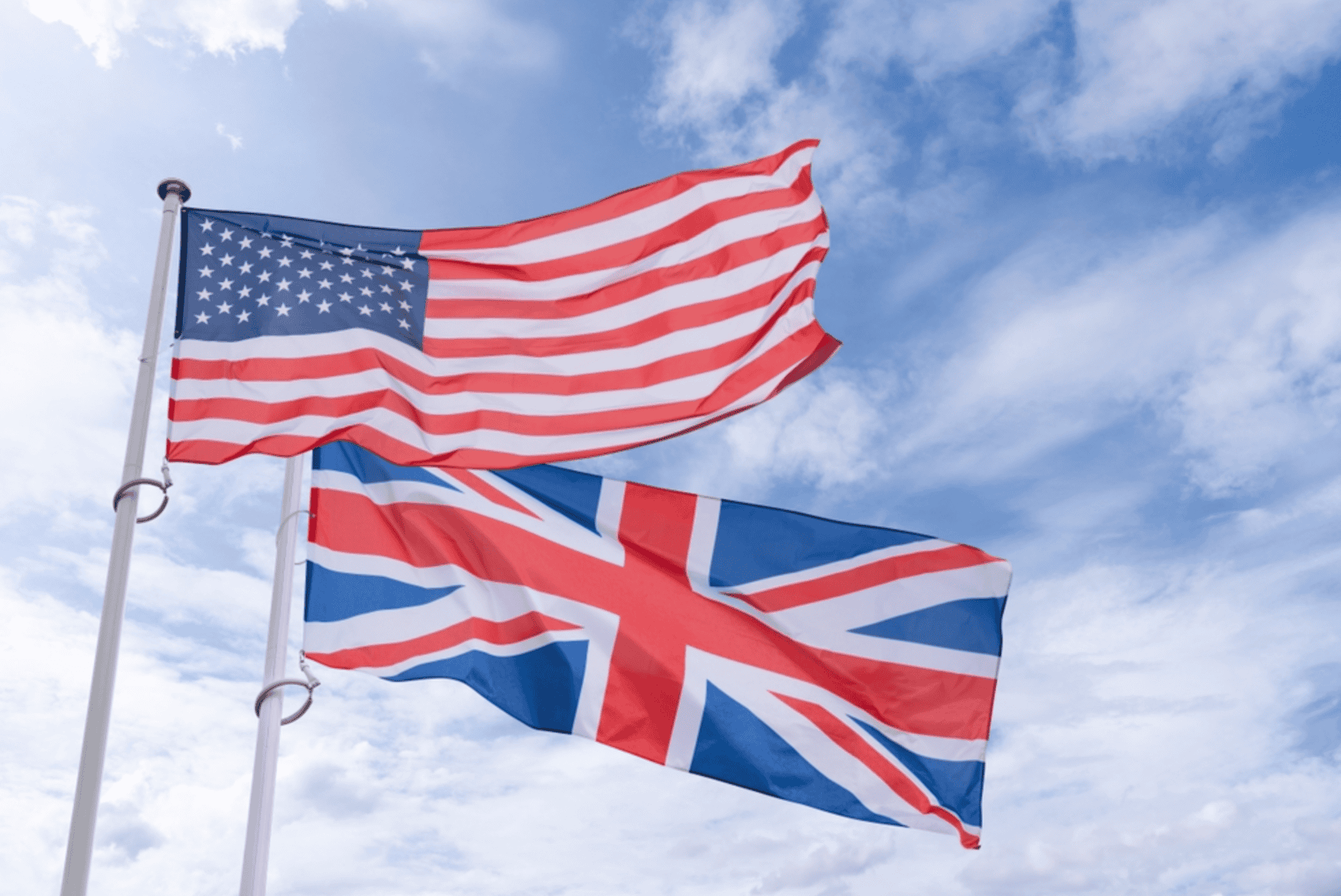
Recently, there have been new discussions within the United Kingdom of separation and independence – not just with Scotland, but also with Wales and Northern Ireland. These discussions have brought up breaking up the United Kingdom into individual countries. If such an event happened, there would be huge consequences for trade.
What would be the consequences for U.S. trade if Scotland, Wales, and Northern Ireland were to leave the U.K.?
The idea of Scottish independence comes up every now and then, and the possibility of Welsh independence has also been discussed. From a trade and logistics perspective, this raises an interesting question.
Would exports from Scotland, Wales or Northern Ireland face different tariffs if they became independent?
It is most likely that there would be some changes. However, independence itself would not automatically result in higher or lower tariffs.
At the moment, goods produced in Scotland and Wales are exported under the U.K.’s customs and trade framework. They are therefore covered by the trade arrangements between the U.K. and the U.S.
Becoming independent would change that. A new customs territory would be created and separate trade negotiations with the U.S. would likely be required.
Scotland: How would trade change for Scotland?
Take Scotland. Scottish cargo moves through ports such as Grangemouth and Clydeport, while some shipments are also routed through major U.K. gateways such as Felixstowe and Southampton.
The shipping route may not change at all. However, the customs side might.
Under the current U.S.-U.K. tariff regime, many U.K. imports are subject to an additional 10% U.S. tariff, while certain products have different arrangements. For example, qualifying U.K. automotive exports currently face a 10% tariff within an annual quota of 100,000 vehicles.
An independent Scotland could negotiate similar terms with the U.S., but there is no reason to assume that the current U.K. terms would automatically carry over.
Wales: How would trade change for Wales?
Wales would face a similar situation. Milford Haven could continue handling Welsh cargo, but the port itself would have nothing to do with the tariff rate. What matters would be the country of origin, HTS classification and the trade agreement between Wales and the U.S.
Northern Ireland: How would trade change for Northern Ireland?
Northern Ireland is a different story.
It is currently part of the U.K., while the Republic of Ireland is an E.U. member. If Northern Ireland were ever to become part of a united Ireland, its trade relationship with the U.S. would be connected to Ireland’s E.U. framework rather than the U.K.’s framework. That could result in a very different customs and tariff setup.
Questions to ask about the possibility of changes in the U.K.
For importers, exporters and freight forwarders, this is the interesting part.
A political change that looks like a question of borders and sovereignty can eventually turn into something much more practical: Which country is the cargo from? Which trade agreement applies? And what tariff goes on the customs entry?
The container may follow the same route. The paperwork, and potentially the cost, could be a different story.