




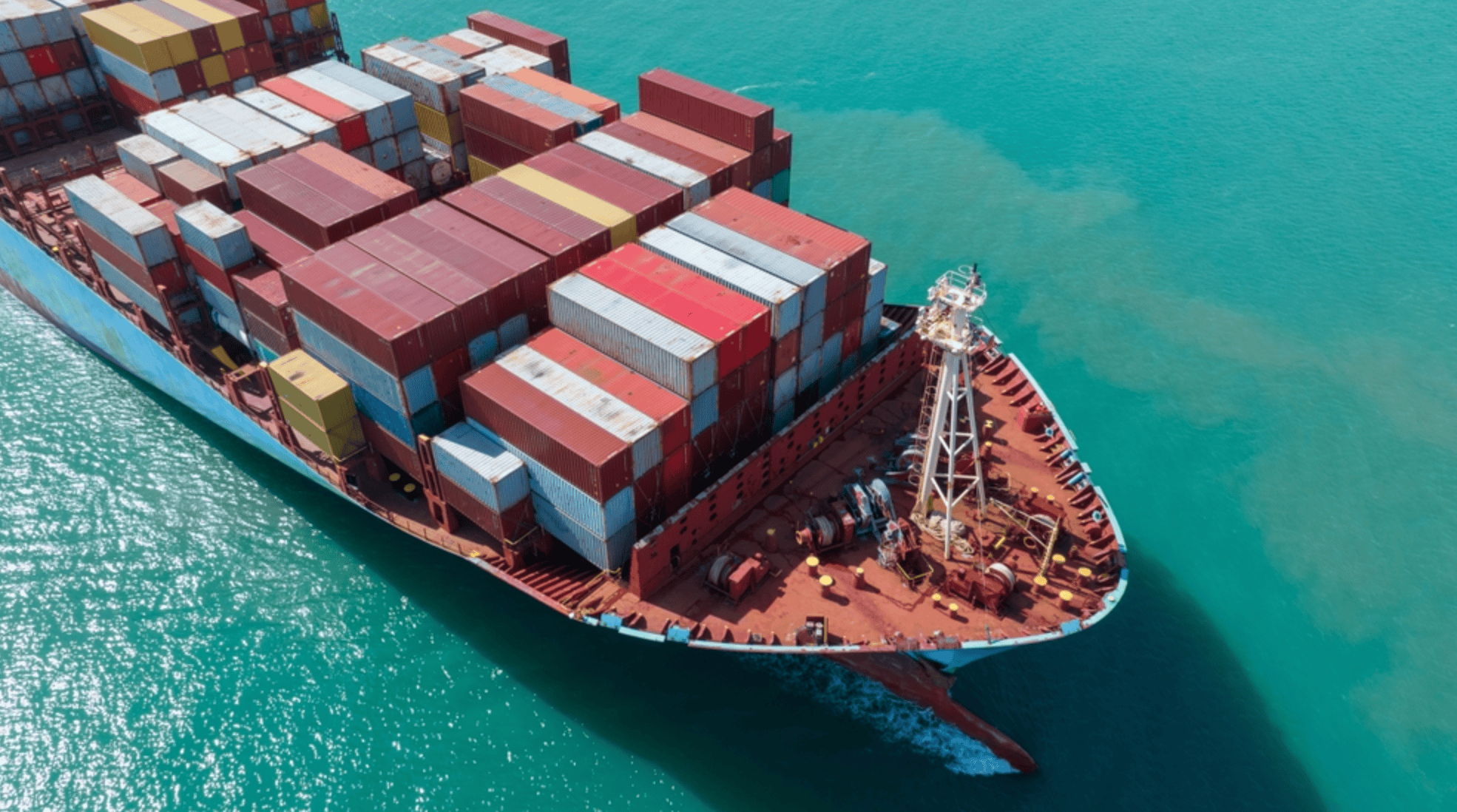
The Panama Canal is entering the final quarter of 2026 in a more stable position compared with the situation observed just a few months ago. Nevertheless, water scarcity remains a structural risk for global maritime trade, with particularly significant implications for U.S. trade flows.
Following the severe drought conditions experienced during 2023–2024, water availability improved considerably in 2025, and drought-related restrictions were largely eased. However, concerns over the potential recurrence of water shortages in 2026 led the Panama Canal Authority to implement certain precautionary operational restrictions.
These restrictions have had a direct impact on vessel flows and equipment availability. Over the past two weeks, delays affecting import vessels arriving at U.S. ports have contributed to a shortage of empty equipment across several Gulf Coast locations, as containers have not been repositioned as quickly as required.
Recent developments with the Panama Canal are encouraging
The latest developments are positive.
According to the Panama Canal Authority’s most recent announcement on its web site: “starting October 15, 2026, the number of daily Neopanamax transits will increase to 10, bringing the Canal’s total daily transit capacity to 33 vessels. At the same time, the maximum authorized draft for vessels transiting the Neopanamax locks has been increased to 49 feet (14.94 meters).”
The Authority attributed these improvements to rainfall levels that have been close to average in the Canal watershed, combined with the effectiveness of water-saving measures implemented at the locks.
However, the situation should not be interpreted as a complete removal of the underlying risk. The Panama Canal Authority has explicitly stated that the water deficit in the Canal watershed continues and that water conditions will remain closely monitored.
For carriers and cargo owners, one of the most important operational considerations is that booking a transit remains the only way to guarantee a transit date. Vessels without a reservation may still face significant, potentially indefinite delays.
What Is Causing the Instability at the Panama Canal?
The fundamental issue is water availability.
Unlike a conventional sea route, the Panama Canal relies heavily on freshwater to operate its lock system. Each vessel transit requires a substantial volume of freshwater to move vessels between the Pacific and Atlantic sides.
This makes Gatún Lake a critical component of the Canal’s operating system. The lake provides the freshwater required for lock operations, meaning that rainfall and water levels within the Canal watershed have a direct impact on the number of vessels the Canal can accommodate and the draft at which they can safely transit.
Consequently, periods of below-average rainfall can force the Panama Canal Authority to reduce either the number of daily transits, the maximum vessel draft, or both.
This is why the water situation should be viewed not simply as a temporary operational issue, but as a long-term structural risk for the Canal and the global shipping network.
Why does the Panama Canal matter so much to the U.S.?
The Panama Canal is a critical link between Asia and the U.S. East Coast and Gulf Coast.
By allowing vessels to move between the Atlantic and Pacific Oceans without sailing around the southern tip of South America, the Canal significantly reduces both transit distance and sailing time.
For container shipping, this is particularly important for cargo moving between Asia and major U.S. ports, including:
- New York / New Jersey
- Savannah
- Charleston
- Norfolk
- Houston
- New Orleans
- Miami
The Canal’s importance to U.S. trade is reflected in the Panama Canal Authority’s own data. In its 2025 Annual Report, the Authority reported that approximately 69.9% of the cargo transiting the Canal had its origin or destination in the United States, with the East Coast and Gulf Coast representing the primary U.S. markets.
This exposure means that disruptions at the Canal can quickly translate into operational consequences for U.S. importers, exporters, carriers, terminals and equipment providers.
The impact is not limited to vessel delays
A disruption at the Panama Canal does not necessarily mean that cargo stops moving altogether. Instead, the impact tends to spread throughout the logistics chain in the form of a chain reaction.
The typical sequence can be summarized as: longer transit times lead to higher vessel operating costs, which lead to potentially higher freight rates, and equipment imbalances, reduced schedule reliability, and additional pressure on terminals and inland logistics.