




The question is no longer whether the Red Sea will be attacked again, but how soon and how hard.
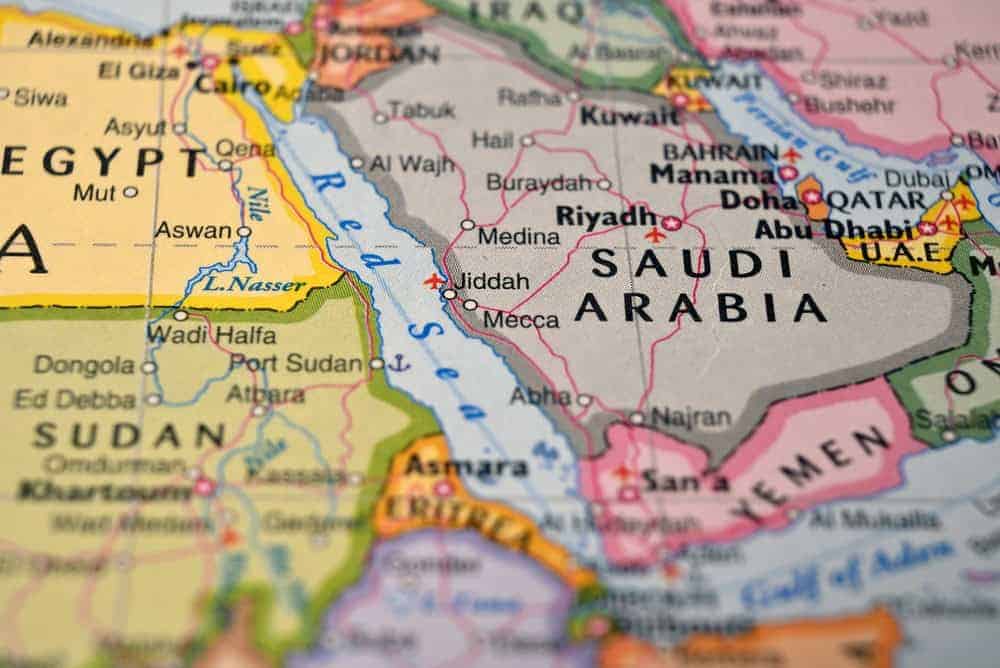
Global shipping lanes, especially the Red Sea and the Bab el-Mandeb Strait, are once again in the news as Yemen’s Houthi movement says it is ready to help Iran in the growing regional conflict. These waters are not just local highways; they are the main routes for trade around the world. Any disruption here sends shockwaves through supply chains, oil markets, and freight rates all over the world right away.
A Proven Playbook: Disrupt First, Negotiate Later
The Houthis have already shown that they can and will attack ships at sea. From 2023 to 2025, they used drones, missiles, and small boat attacks to stop ships that were connected to Israel and its allies.
That plan worked.
Shipping lines changed their routes. The cost of insurance went up a lot. Transit through the Suez Canal dropped a lot because carriers had to go around the Cape of Good Hope, which added weeks and big costs to global supply chains.
With tensions rising around Iran, that same plan is back on the table, but this time the stakes are even higher.
Why the Red Sea Is a Strategic Target
The Houthis give Iran a strong asymmetric advantage if it is under constant military pressure. The Houthis control access to the Bab el-Mandeb, while Iran controls the Strait of Hormuz. This makes it hard for ships to get through on both fronts.
Analysts say that if both chokepoints are threatened at the same time, it could have a big effect on oil and trade around the world.
The mere threat of disruption is enough to change markets. With worries about supply problems caused by the Houthi escalation, oil prices have already gone up above $116 per barrel.
This is the main point:
Shipping doesn’t need to be attacked on a large scale to be disrupted; just not knowing what to do is enough to make it happen.
Current Reality: A Strategic Pause… for Now
Even though tensions are rising, the Houthis have not yet fully resumed attacks on shipping in the Red Sea. Some experts think this could be because of strategic timing, working with Iran, or pressure from other countries.
But that break shouldn’t be seen as a lack of control.
Recent intelligence shows that the group is ready to act when it has the most power, especially if Iran’s position weakens or the conflict gets worse.
What Happens Next?
If the Houthis fully join the fight, there are three possible outcomes:
1. Disruption with a purpose
Attacks on ships linked to Israel or the West that are carefully chosen to send a political message without starting a full-scale war.
2. War on the economy
Wider targeting of oil tankers and commercial shipping to put more pressure on global markets, which could raise energy prices and make trade less stable.
3. The Chokepoint Plan
Coordinated disruption with Iran, effectively squeezing both the Strait of Hormuz and the Red Sea, and creating one of the most severe maritime crises in modern history.
Experts say that a long-term disruption could have a “big hit” on the global economy, especially if energy flows are cut back a lot.
The Bottom Line
Yes, shipping in the Red Sea is once again at risk of becoming a main target. The Houthis don’t have to completely close the corridor. They just need to make it hard to guess. And in global logistics, things that are hard to predict are just as bad as a blockade.