




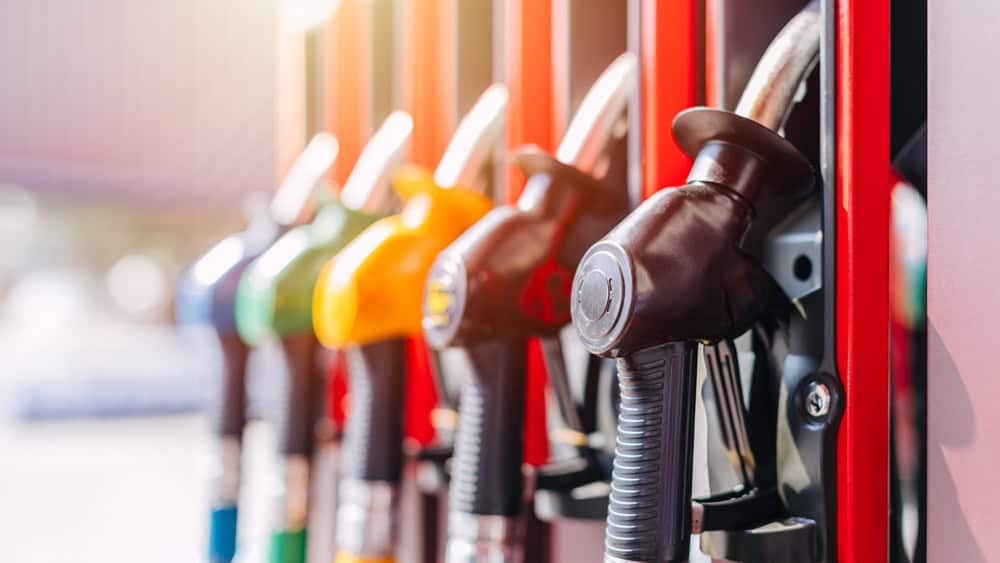
Amid conflict in the Middle East, issues with refinery capacity, pipeline disruptions, and other factors, President Donald Trump is under pressure to impose a ban on diesel exports from the U.S. to other countries. Multiple U.S. senators, as well as governors and other American politicians, are pressing for the export ban ahead of November’s crucial midterm elections in the U.S. The likely effects of such a diesel export ban are more negative than positive for domestic and global supply chains.
Why diesel prices are reaching new highs right now
Diesel prices are close to all-time highs, as diesel passed the $6.50 a gallon mark this past weekend, with pressure on prices stemming from refinery disruptions in the U.S. Midwest region, as well as Houthi attacks on Saudi oil infrastructure abroad. Iran has stopped exporting diesel, and Russian diesel capacity is down, two other factors affecting diesel prices.
Since the beginning of 2026, diesel prices are up over 80% – a major problem for nearly all shippers who rely on trucks, rail, container vessels, and other transportation methods that use the critical fuel.
How an export ban on U.S. diesel would likely affect global trade
The U.S. is a leading exporter of diesel and other fuel to foreign nations, particularly in Europe and South and Central America. In the immediate term, if U.S.-provided diesel disappeared from the global market, global diesel prices would almost instantly skyrocket, as U.S. supply disappears and the global diesel supply chain sees lower supply amid already-strained supplies.
Countries that import U.S. diesel would have to scramble to find alternative suppliers. Some supply chain routes may be modified or may be suspended amid higher diesel prices, if the economics don’t make sense.
The United States is a major supplier of fuel to allies in Europe and the Americas. If U.S. exports disappear, those countries will still need fuel. They will need to find it from other suppliers, creating opportunities for competing nations to expand their influence in global energy markets.
How an export ban on U.S. diesel could backfire against the U.S.
First, if the U.S. is not exporting diesel to its leading export partners, those countries will still need diesel and will find it from other sources – even if that takes time. This will erode U.S. influence on the supply chain and possibly strain relations with some countries.
Next, U.S. allies are not safe from price increases and may get mad at the U.S. as a result of a self-inflicted problem. Also, U.S. gas prices would probably increase, and U.S. refiners would see added financial pressures and supply chain challenges.
Finally, there’s the possibility that other nations retaliate against the U.S. and ban exports to the U.S. It becomes a tit-for-tat, zero-sum game with real-world consequences for nearly everyone.
What shippers should watch for
The higher diesel prices and current market pressures have already affected global shipping for months, with higher prices being passed to businesses and end consumers. Major carriers such as UPS and FedEx are directly affected by higher prices, and these are passed on to consumers.
If the U.S. does ban diesel exports abroad, shippers should be prepared for possible price increases in key routes, as well as some underserved routes getting paused or suspended for a period of time. If routes are not able to be made profitable, there may be further disruptions.
All of these higher price disruptions and tightened diesel supply could also mean that shipments get delayed and schedules change. So, it will be important to watch scheduled shipments closely in the event of an export ban – after global U.S.-supplied diesel is exhausted.