




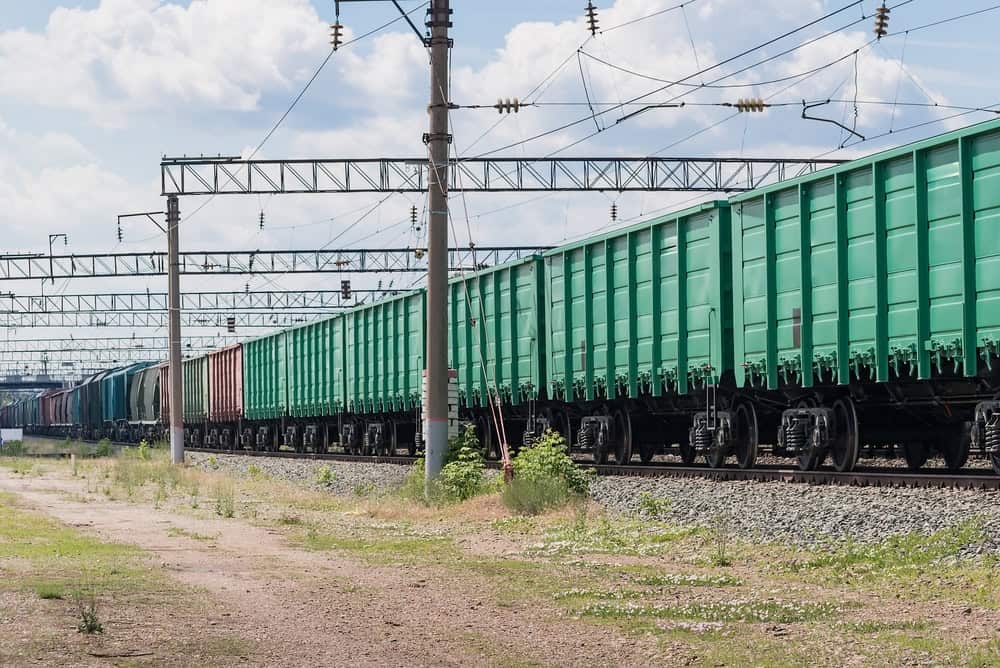
Los Angeles and Long Beach ports are currently experiencing significant operational challenges, with rail congestion and the threat of labor disruption. In the shipping industry, it is not that unusual for there to be congestion on railroads. However, we have seen this level of delays since the Covid pandemic and recovery in 2021-2022.
At this time, a significant number of containers are waiting to be moved by rail. There are currently over 41,000 containers dwelling at these ports. In many cases, the dwelling times are greater than 25 days, resulting in importers receiving their containers 30 days later than they originally planned. This, in turn, could of course negatively impact their supply chain and operations.
What Is Causing the Rail Delays?
1. Capacity Constraints: Both BNSF and Union Pacific are facing capacity constraints, with inland rail terminals operating at full capacity. With the high import volumes, the current rail allocations are reportedly insufficient to accommodate these volumes.
2. Railcar shortages: There is limited availability of railcars, locomotives and crew availability.
3. Weather: The recent flooding in New Mexico has disrupted BNSF operations specifically, which adds further delays to rail movement.
What About Port Congestion?
Vessel congestion currently appears to be normal. However, this can change due to rail delays. When containers are unable to move to railroads, they will remain at the terminals for longer periods of time, occupying yard space. As the backlog continues to grow, we will see terminal capacity become tighter, affecting port operations. Operational constraints would then lead to issues with container availability and pick-up appointments.
What Can Importers Do?
As an importer, you have two main options:
1. Diversion / Change of Destination (COD): You can ask the shipping line or your freight forwarder to check if this is possible. You would be requesting a COD, cancelling the rail allocation and terminating at the port. As the importer, you will be responsible for all storage fees and COD costs. Although, the biggest concern would likely be the trucking costs. If the delivery location is a long haul from the ports, delivery costs could be expensive due to the mileage and current high fuel costs.
2. Wait for Rail Movement: This second option is clear. If diversion is not a suitable option for the carrier, or for you, your only alternative may be to continue monitoring and wait for rail movement.
Potential Labor Strike
In addition to rail congestion, there is currently a labor dispute happening for Los Angeles / Long Beach port workers, involving ILWU Local 26 and the Pacific Maritime Association (PMA). The possibility of a strike could further disrupt terminal and container operations.
Although the original strike deadline was on November 1st, both parties have agreed to extend the negotiations until November 5th. As of today, there is no strike, however all importers should monitor this potential dilemma very closely.
What’s Next?
Depending on the potential strike, and how quickly the current operators can work through the existing backlog, we will have to wait and see how the situation develops. In the meantime, the best we can do as importers is to stay proactive and informed, with disruptions being an ongoing part of the logistics industry. With each situation, it presents an opportunity to learn. We can then better prepare ourselves by managing similar challenges in the future.